Pixel and viewing model
Viewing distance, content density, and wall dimensions determine the pixel pitch conversation. The model protects buyers from overspending on unnecessary density or accepting a pitch that cannot show critical detail.

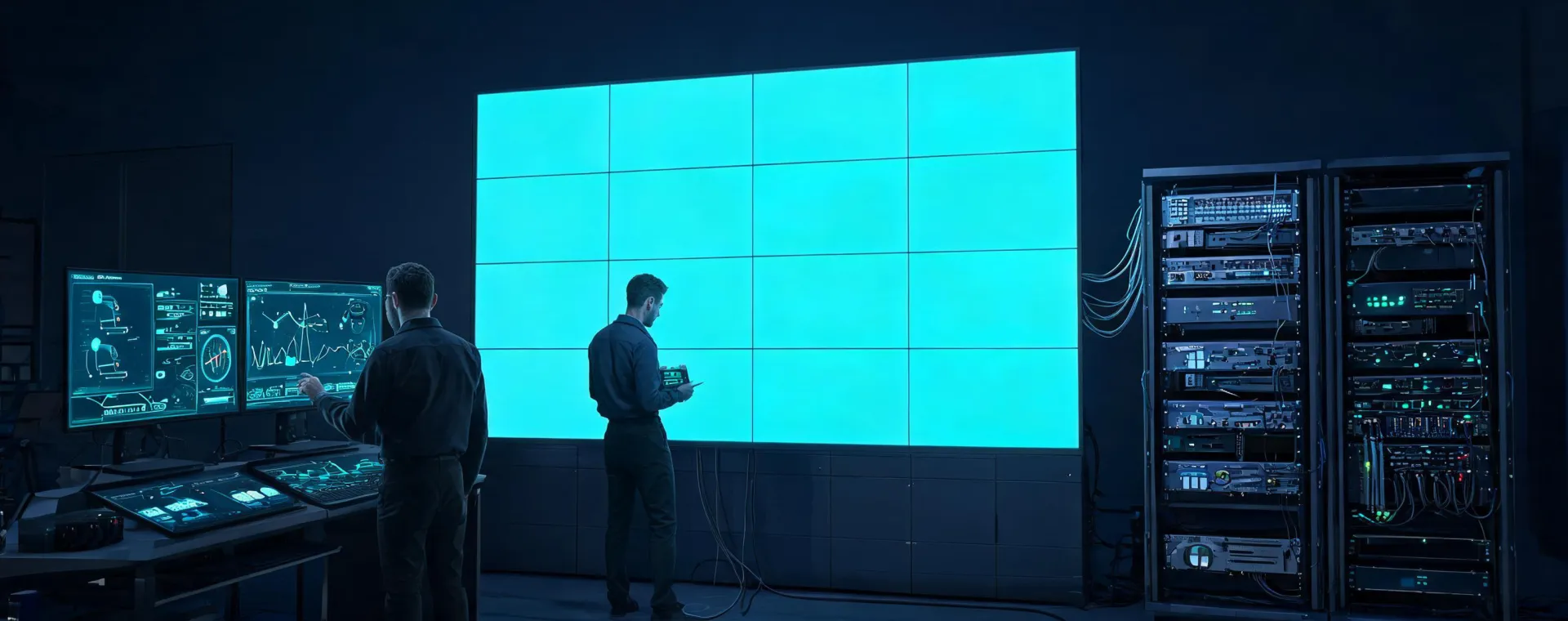
Barco display technology is built around optical performance, controller design, calibration governance, and lifecycle evidence for LED video wall programs. The stages below trace how a room brief becomes a measurable operating baseline.
Professional LED technology is easiest to evaluate when each stage has a clear technical output. The roadmap below turns the abstract idea of a display wall into a sequence of evidence that integrators, consultants, and facility owners can review together.
Viewing distance, content density, and wall dimensions determine the pixel pitch conversation. The model protects buyers from overspending on unnecessary density or accepting a pitch that cannot show critical detail.
Cabinet depth, front service, mounting tolerance, heat, cable paths, and replacement workflow are reviewed before drawings freeze. Technology choices must remain serviceable after the wall is enclosed.
Signal processors, scalers, EDID behavior, redundancy, source windows, and control interfaces are mapped against the way operators will actually use the room during live work.
Brightness, color, grayscale, refresh, and content tests establish an operating baseline. The documentation gives future support teams a reference point when modules, firmware, or content workflows change.
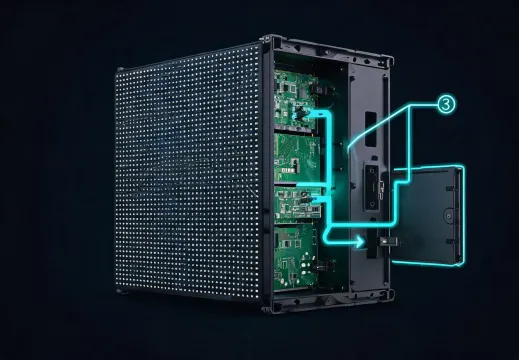 Front access
Front-service design reduces disruption in rooms where rear access is restricted. Mechanical planning includes spare modules, mounting tolerance, and safe replacement workflows.
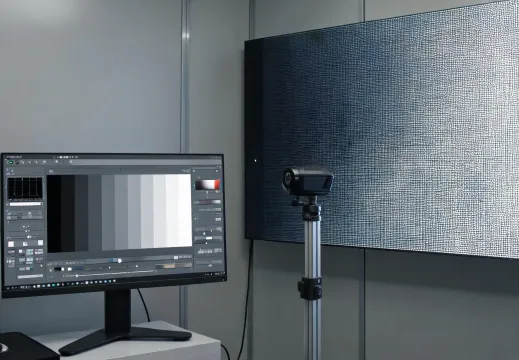 Uniformity
Calibration records help maintain a consistent image as cabinets age or modules are replaced. This matters in control rooms, studios, and executive environments.
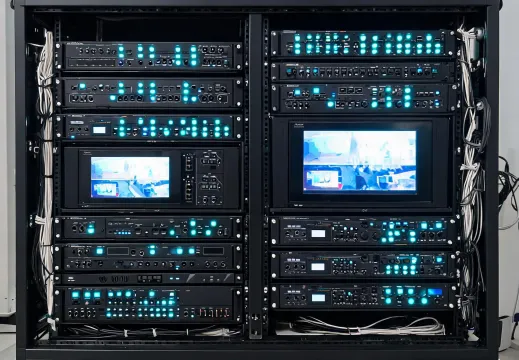 Source control
Controllers, scalers, source routing, and failover logic are selected around operator behavior, content zones, resolution targets, and the room's tolerance for downtime.
LED display technology depends on more than the panel. The most reliable projects define who owns architecture, installation, content, service, and room operations before the wall is energized.
Translate owner goals into display criteria, viewing studies, control assumptions, and acceptance requirements.
Coordinate signal paths, mounting, commissioning, training, and service handoff across the room technology stack.
Own power, access, thermal observations, maintenance windows, and documentation after installation.
Manage playlists, layouts, source routing, and daily visual standards for the people using the wall.
These numbers are planning signals rather than product claims. They remind teams to define the wall geometry, operating schedule, source density, and support route before a display platform is approved.
Share drawings, content requirements, camera use, or control-room workflows. Barco can help identify which technical decisions should be settled before procurement begins.